



So first questions many wonder: "Why do muscles feel sore after exercise?"
Muscle soreness is a normal response to physical activity, especially when starting a new exercise programme, increasing training intensity, or challenging your body in new ways.
One of the most common forms of soreness is Delayed Onset Muscle Soreness (DOMS), which typically develops 12–24 hours after exercise and can peak between 24- 72 hours later. It is particularly common after strength training, running downhill, high-intensity interval training (HIIT), or exercises that involve controlled lengthening of muscles (eccentric movements).
Although soreness is often associated with professional athletes, it affects people of all fitness levels, including young adults who regularly attend the gym. This happens because exercise creates microscopic stress within muscle fibres. During recovery, the body repairs and adapts these fibres, helping muscles become stronger and more resilient over time.
Common Causes of Muscle Pain in Active Young Adults
- Increasing workout intensity or weight too quickly
- Returning to exercise after a break
- Trying a new sport or training programme
- Repetitive movements during training
- Poor recovery between workouts
- Insufficient sleep, hydration, or nutrition
- Long periods of sitting before or after exercise
Many young professionals experience a combination of gym-related muscle soreness and stiffness caused by desk-based work, which can leave muscles feeling tight, fatigued, and less mobile.
The Importance of Recovery
Recovery is where much of the body's adaptation and progress actually occurs. Without adequate recovery, muscles may remain tight, performance can decline, and the risk of overuse injuries may increase.
A well-rounded recovery routine may include:
- Adequate sleep
- Proper hydration
- Balanced nutrition with sufficient protein
- Light movement and stretching
- Mobility exercises
- Massage and muscle stimulation techniques
How Percussion Massage May Help
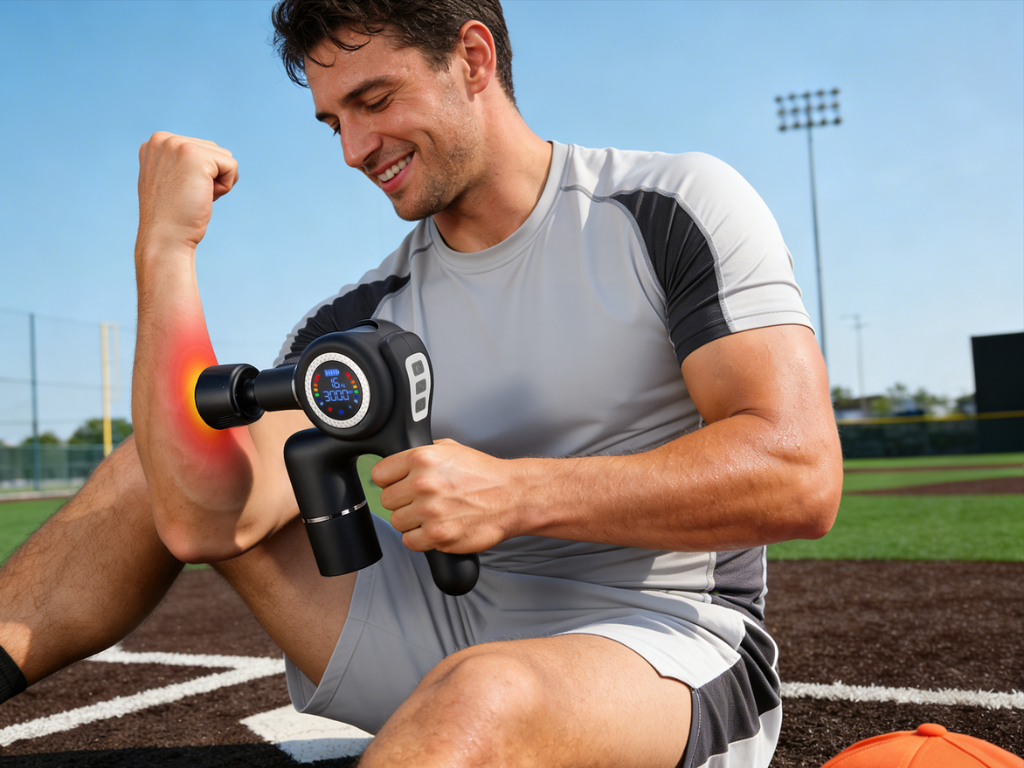
Percussion massage devices, commonly known as massage guns, use rapid pulses to stimulate muscle tissue and support recovery. They can help ease muscle tension, improve flexibility and range of motion, increase circulation, reduce post-exercise discomfort, and prepare muscles for physical activity.

The OOZZ OZ-3631 Smart Massage Gun combines percussion massage with smart controls, multiple attachment heads, and hot-and-cold therapy options, providing a convenient way to target areas that commonly become tight after exercise, such as the calves, quadriceps, hamstrings, glutes, shoulders, and back.
While massage guns are not a substitute for proper recovery habits, they can be a useful addition to an active lifestyle, helping individuals stay consistent with training and feel more comfortable between workouts.
Remember: soreness is a sign that your body is adapting to physical demands. The goal isn't simply to push harder, it's to recover smarter.
Share:
💦 Water Flosser Tips Nobody Tells You (But You’ll Wish You Knew Earlier)